What builders risk insurance covers in Texas
Builders risk insurance in Texas is a specialized property policy that protects a building under construction from the moment the first materials arrive on site to the day the project is complete. For a general contractor, developer, or property owner breaking ground anywhere in the Dallas-Fort Worth area, this coverage is practically mandatory. One hailstorm, one theft of copper wiring, one accidental fire can wipe out weeks of work and hundreds of thousands of dollars in materials before a single tenant ever walks through the door.
Texas construction projects face a specific set of hazards that make this policy worth understanding thoroughly. The state ranks among the top in the country for severe weather losses, and the DFW metroplex alone sees billions of dollars in construction activity every year, from custom homes in Frisco and McKinney to commercial developments along major corridors in Allen, Plano, and Fort Worth. Knowing exactly what a builders risk policy covers, what it excludes, and how to structure it correctly can save a project from financial disaster.
A standard builders risk policy covers physical loss or damage to the structure being built, materials stored on site, and often materials in transit to the job site. Common covered perils include fire, lightning, windstorm, hail, explosion, vandalism, and theft. The policy typically follows the building's value as construction progresses, meaning coverage increases alongside the growing replacement cost of the project.
- Structure under construction: the building itself at every stage, from foundation to framing to finished walls
- Materials on site: lumber, roofing materials, fixtures, HVAC equipment, and other supplies staged at the job site
- Materials in transit: many policies extend coverage to materials being delivered to the site, up to a specified limit
- Temporary structures: scaffolding, fencing, and construction trailers are sometimes included, though limits vary
- Soft costs: certain policies cover extended overhead, additional loan interest, and permit re-fees caused by a covered loss. This is a rider worth adding on larger projects.
What builders risk insurance does not cover
Understanding the gaps is just as important as knowing the included perils. Builders risk policies are not all-risk in the broadest sense, and several common exposures are either excluded outright or require separate policies.
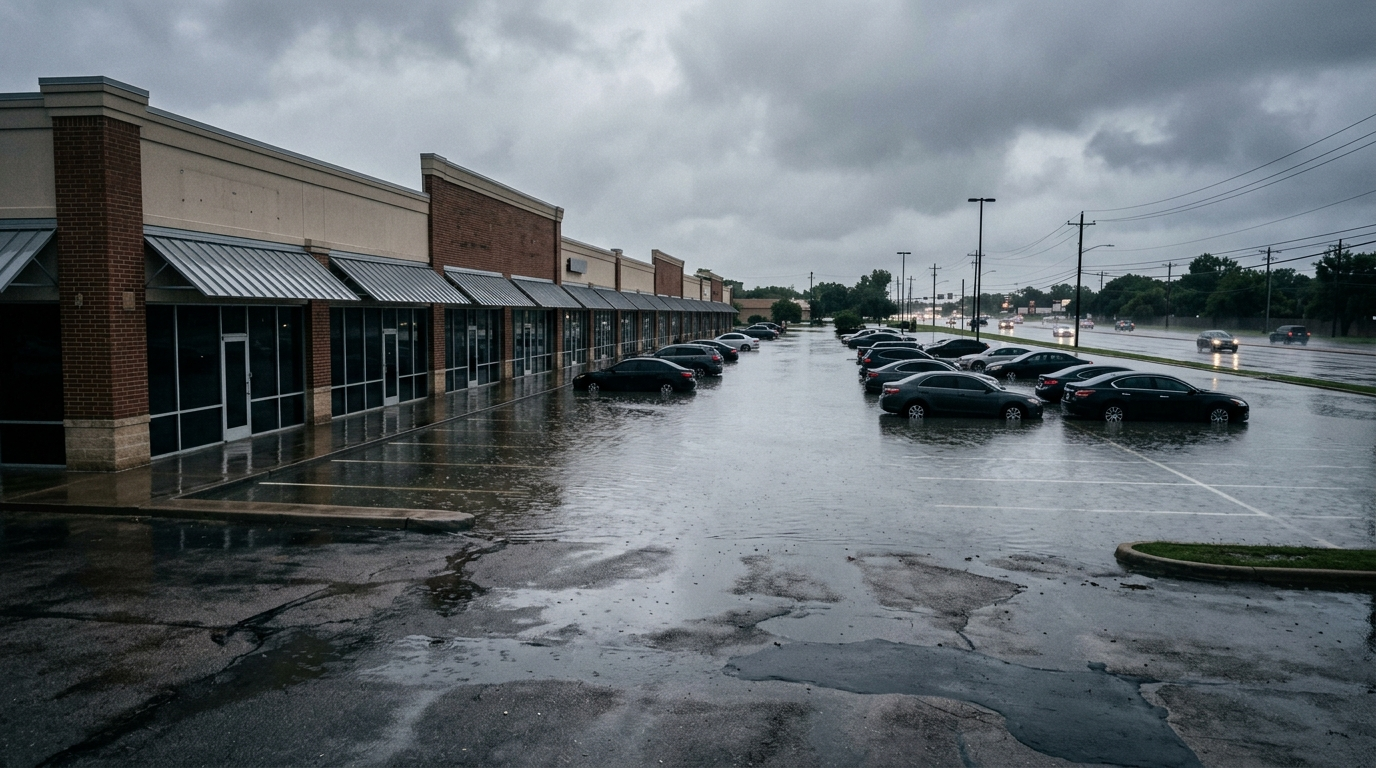
- Flood: standard builders risk policies exclude flood damage. Texas construction sites near creek beds, low-lying areas, or FEMA-mapped flood zones need a separate commercial flood policy. This is a real concern in North Texas, where drainage infrastructure often struggles to keep up with new development.
- Earthquake: excluded on most policies, though induced seismicity from past oil and gas activity has been a minor concern in certain Texas regions
- Employee theft: theft by workers on the site is typically excluded and requires a crime or fidelity bond to address
- Design defects: faulty workmanship or engineering errors are not covered by builders risk. Those exposures fall under professional liability or contractor warranty obligations.
- Bodily injury and property damage to third parties: builders risk covers the project itself, not liability for injuries. A separate general liability policy handles that exposure.
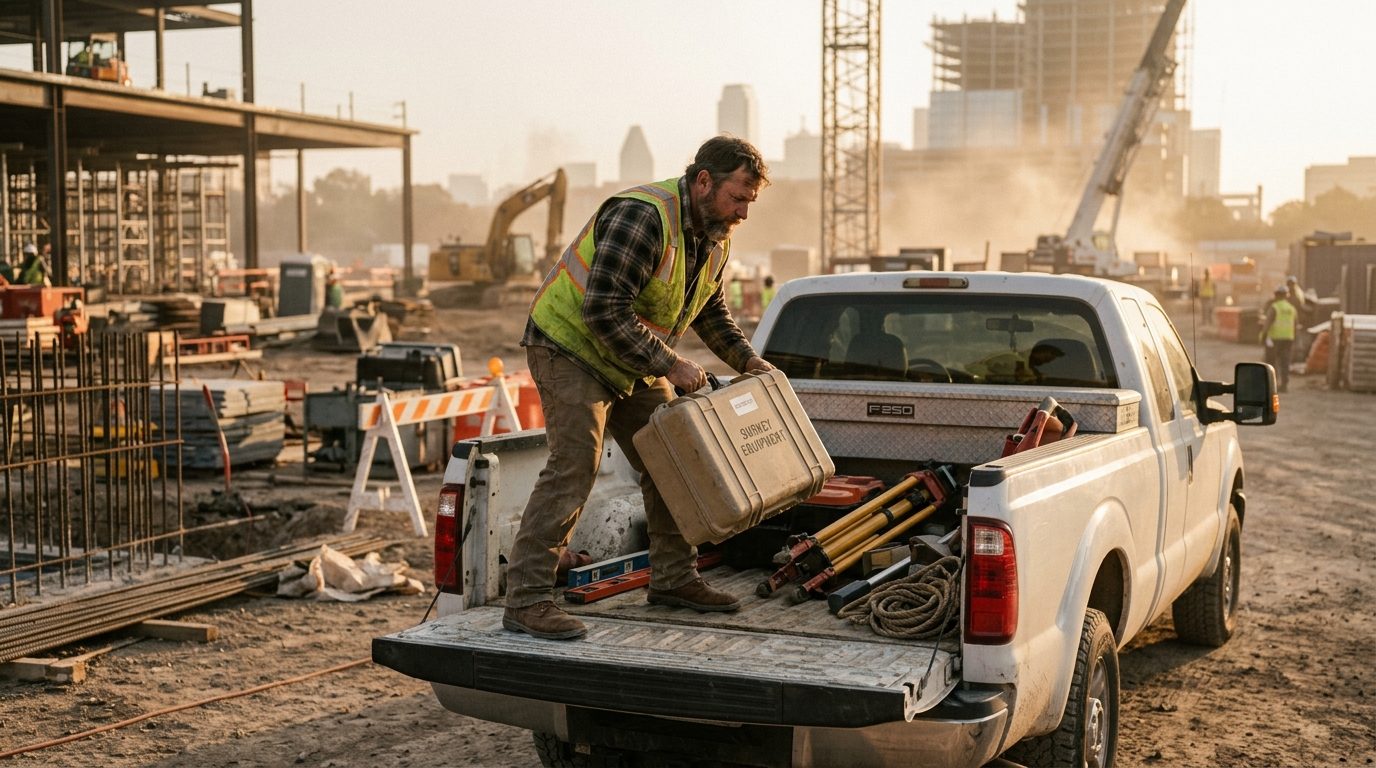
- Tools and equipment: contractor tools and heavy equipment are covered under inland marine or equipment floater policies, not builders risk
For contractors who need to cover tools and equipment moving between job sites, inland marine insurance is the right policy to pair alongside builders risk. The two coverages work together to protect both the project and the equipment used to build it.
Who needs a builders risk policy in Texas
Anyone with a financial interest in a construction project needs this coverage. That includes more parties than most people initially assume.
General contractors are often required by contract or by lender requirements to carry builders risk before a single shovel hits the ground. Many commercial construction loans require proof of builders risk coverage as a condition of loan closing. Without the policy in place, financing can stall and the contractor may face personal liability for project losses.
Property owners and developers acting as their own general contractor on a residential or light commercial project should purchase the policy themselves. Homeowners managing a major renovation should also confirm whether their existing homeowners policy extends to significant construction work, because most do not once the scope crosses a certain threshold.
Subcontractors generally do not purchase builders risk, but they should confirm through the prime contract who is responsible for insuring the project and what limits are in place. A subcontractor whose work is destroyed by a covered event will not be compensated unless the project owner or GC carries adequate limits.
Lenders and banks financing construction projects often require that they be named as an additional insured or loss payee on the policy. Confirming this at policy inception avoids delays when a claim needs to be paid.
How Texas weather shapes builders risk coverage decisions
North Texas sits in one of the most active severe weather corridors in the United States. Hailstorms in the DFW area regularly produce baseball-sized hail, and the spring storm season can deliver multiple damaging events in a single month. For a project with open roofing or exposed framing, a single hailstorm can cause losses that run into tens of thousands of dollars in damaged sheathing, windows, and roofing materials alone.
Wind is an equally serious concern. Construction sites have temporary roofing, unsecured materials, and partially completed walls that are far more vulnerable to high winds than a finished structure. Texas wind and hail losses accounted for billions in insured losses over the past decade, and construction sites tend to suffer disproportionately because they lack the protective features of a completed building.
Contractors and developers building in DFW should pay particular attention to the windstorm and hail provisions in their policy. Some carriers apply a separate percentage deductible for wind and hail losses rather than a flat-dollar deductible. On a $2 million project, a 2 percent wind/hail deductible means the insured pays the first $40,000 out of pocket before coverage applies. That figure is worth negotiating at the time of binding, not after a storm.
Flood is another weather-driven concern for Texas construction. The state has experienced catastrophic flood events across multiple regions, and construction sites in low-lying areas can accumulate standing water that damages completed work, footings, and stored materials. Because standard builders risk excludes flood, developers in higher-risk areas should pair their policy with commercial flood coverage.
How builders risk insurance is priced in Texas
Premiums for builders risk policies are calculated primarily as a percentage of the completed project value. A typical range is 1 to 4 percent of the total construction value , though the actual rate depends on several factors specific to the project and the carrier.
Key pricing factors include:
- Project type: wood-frame residential construction is rated higher than steel or masonry commercial construction because wood burns and is more susceptible to weather damage at the structural level
- Project duration: longer projects carry more exposure time, which translates to higher premiums. A 24-month commercial development will cost more than a 6-month custom home.
- Location: proximity to fire stations, crime history in the area, and local weather severity all influence pricing
- Coverage scope: adding soft costs, extended coverage for materials in transit, or flood and earthquake endorsements increases the premium
- Deductible selection: choosing a higher deductible lowers the premium, but that trade-off needs careful evaluation given the wind and hail exposure in North Texas
- Contractor experience and loss history: carriers review the GC's track record. A contractor with prior large claims may face higher rates or more restrictive terms.
Because carriers price builders risk differently and apply very different policy forms, comparing quotes across multiple insurers is worth doing. A lower premium from one carrier may come with a 2 percent wind deductible while a slightly higher premium from another carrier uses a flat $5,000 deductible. On a North Texas project, that difference matters considerably.
Common mistakes Texas contractors and developers make
After placing builders risk policies for projects across the DFW area for years, a few patterns show up consistently when clients come in after a loss with gaps in their coverage.
Underinsuring the project value. Builders risk coverage limits must reflect the completed value of the project, not just the cost of materials purchased to date. If a $1.5 million project is insured for $900,000 because the contractor estimated costs at the start of construction and never updated the policy, a total loss will result in a significant shortfall. Some policies include automatic increases tied to the project schedule; most do not, and the insured is responsible for reporting accurate values.
Not confirming when coverage begins and ends. Builders risk coverage typically starts when materials first arrive on site or when construction begins, whichever the policy specifies. It ends at project completion, when the structure is occupied, or when a certificate of occupancy is issued. Failing to confirm the start date means a theft or fire during site prep might not be covered. Failing to arrange a replacement property policy before completion leaves a gap between builders risk and the permanent coverage.
Skipping flood coverage in flood-prone areas. As noted above, this is a common and costly oversight.
Not listing all insured parties. The property owner, the general contractor, the lender, and sometimes key subcontractors should be listed as named or additional insureds based on their financial interest. Getting this wrong does not void the policy, but it can create disputes over who gets paid when a claim is filed.
Contractors in Texas who also carry workers compensation insurance and general liability often try to bundle builders risk through the same carrier for simplicity. That can work well, but it is worth having an independent agent check the market to confirm the bundled package is competitive on both price and policy terms.
Get builders risk coverage through Princeton Insurance
Princeton Insurance is an independent insurance agency serving contractors, developers, and property owners throughout the Dallas-Fort Worth area, including Frisco, McKinney, Allen, Plano, Denton, Fort Worth, and surrounding communities. As an independent agency, Princeton Insurance compares builders risk policies across multiple carriers to find the right fit for your project type, budget, and timeline. There is no single-carrier obligation, which means the comparison is done on your behalf.
Whether you are a general contractor breaking ground on a new subdivision, a developer starting a commercial build-out, or a homeowner managing a major renovation, getting the right builders risk policy structured correctly from the start protects your investment at every stage of construction. The cost of a policy is a fraction of what a single uninsured loss can cost a project.
To get a quote or ask a question about coverage for your next project, visit our contact page or call (469) 916-9595 . You can also learn more about our builders risk insurance options or explore our full range of commercial insurance coverage for Texas businesses.
Get A Quote
At Princeton Insurance, securing your future is easy. Ready to protect what matters? Contact us for a quick quote and personalized insurance options!
Kelly
Speak to Kelly 24/7
Microphone ready
Start your custom insurance quote
Instant answers to your insurance questions
Schedule appointments or follow-ups
Personal Insurance
From auto and homeowners to renters and umbrella policies, we help protect your family and property. Let’s find coverage that fits your life.
Commercial Insurance
We customize policies for your industry's risks, like general liability and workers' comp, ensuring you can run your business worry-free.
Contact Princeton Insurance
Recent Posts